Organizing Trends That Are Out (and What to Do Instead)
Organizing isn’t about perfection or Pinterest-worthy spaces — it’s about creating systems that actually support your real life.
Trends come and go, but the goal of organizing stays the same: clarity, ease, and sustainability. When systems don’t align with how a household truly functions, they don’t last — no matter how good they look on day one.
Below are some organizing trends we’re officially letting go of, along with smarter, more supportive ways to think about creating order at home.
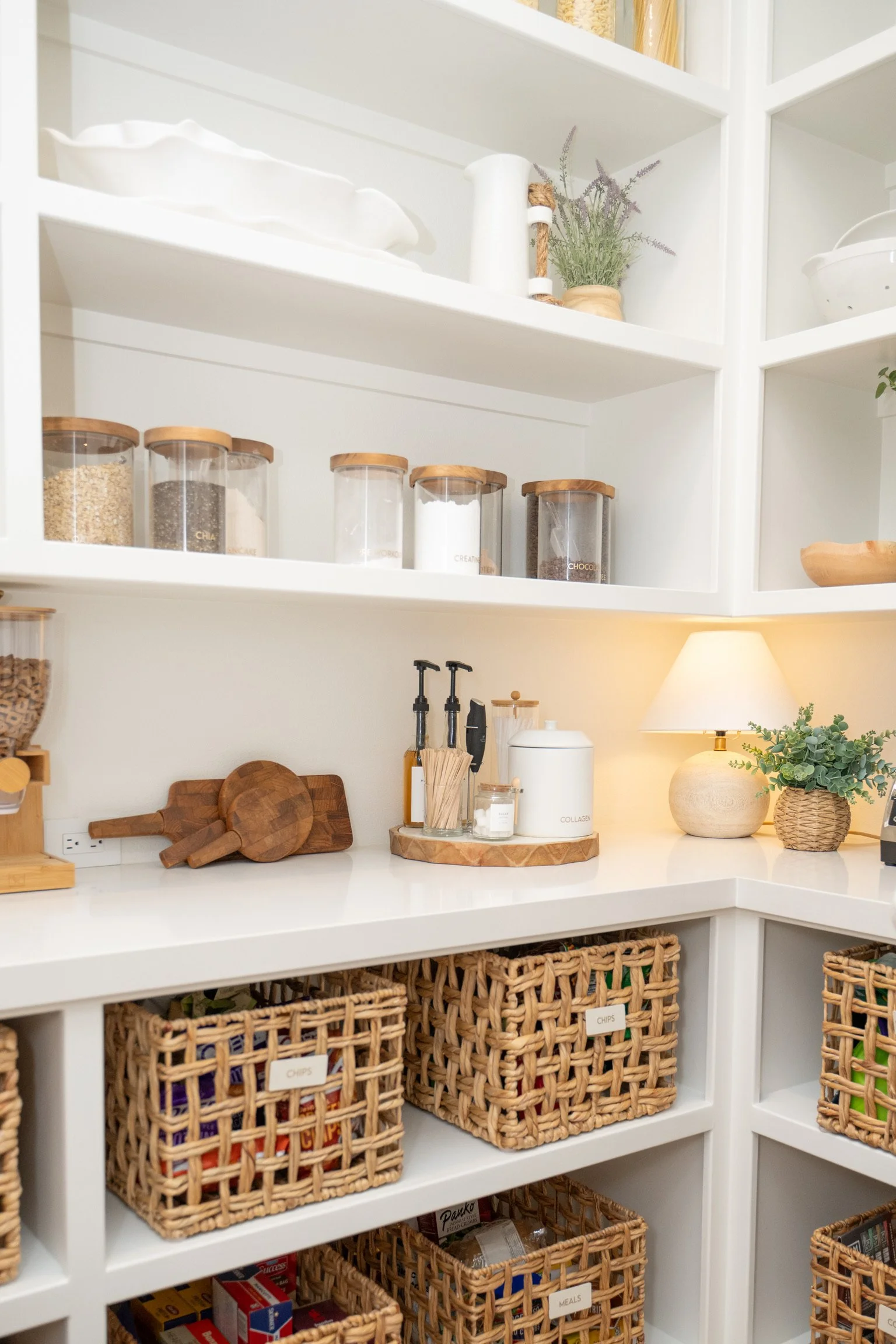
1. Baskets That Don’t Fit the Space
What’s out: Forcing baskets or bins into a space simply because you like how they look.
When containers don’t fit properly, they send a subtle message: this space isn’t designed with intention. Gaps, overflow, or awkward stacking create friction — and friction leads to clutter returning.
What to do instead: Choose containers that fit precisely and support the behavior you want.
When a space looks cohesive and functions smoothly, you’re far more likely to maintain it. Well-fitting containers communicate that order and structure matter here — and that clarity is the priority.
2. Categorizing Kids’ Legos by Color
What’s out: Ultra-detailed systems kids can’t realistically maintain.
Sorting Legos by color might look beautiful, but it sets an impossible standard for most kids. When systems feel unattainable, children disengage — and cleanup becomes a constant power struggle.
What to do instead: Organize based on how kids actually play and clean up.
Think larger categories: bricks, figures, vehicles, instruction builds. The goal is empowerment — giving kids systems they can successfully manage on their own.
3. Hanging Clothing Sets Separately
What’s out: Separating tops and bottoms that are meant to be worn together.
This creates unnecessary decision fatigue and often leads to outfits being forgotten or underworn.
What to do instead: Hang sets together.
New hangers and clip systems make it easy to keep full outfits together — which increases wear, saves time, and simplifies daily routines.
4. Using Only One Type of Bin Everywhere
What’s out: Uniform bins that ignore the personality and function of a space.
While consistency matters, using identical containers everywhere can make spaces feel flat and overly rigid.
What to do instead: Layer textures, tones, and materials thoughtfully.
Today’s organizing products allow for beautiful, functional design. Mixing materials — wood, wire, acrylic, fabric — can create warmth while still maintaining clarity and cohesion.
5. The Traditional “Junk Drawer”
What’s out: Catch-all drawers filled with random items and no intention.
Junk drawers quickly become stress drawers — places where things go to disappear.
What to do instead: Create an edited essentials drawer.
Keep only what you truly use, and organize it clearly. This transforms a chaotic space into a highly functional one you can rely on daily.
6. Organizing to “Spark Joy” Instead of Serve Life
What’s out: Making emotional decisions for purely functional spaces.
Your home isn’t meant to spark joy in every corner — sometimes it just needs to work.
What to do instead: Treat your home like a well-equipped tool kit.
Utility spaces should support efficiency, clarity, and ease. Joy often follows function — not the other way around.
7. Storing Bathing Suits Separately
What’s out: Splitting bathing suits into tops and bottoms stored in different places.
This creates frustration and slows down routines — especially during travel or summer months.
What to do instead: Store full bathing suits together.
Keeping sets intact makes getting dressed quicker and ensures all pieces stay in rotation.
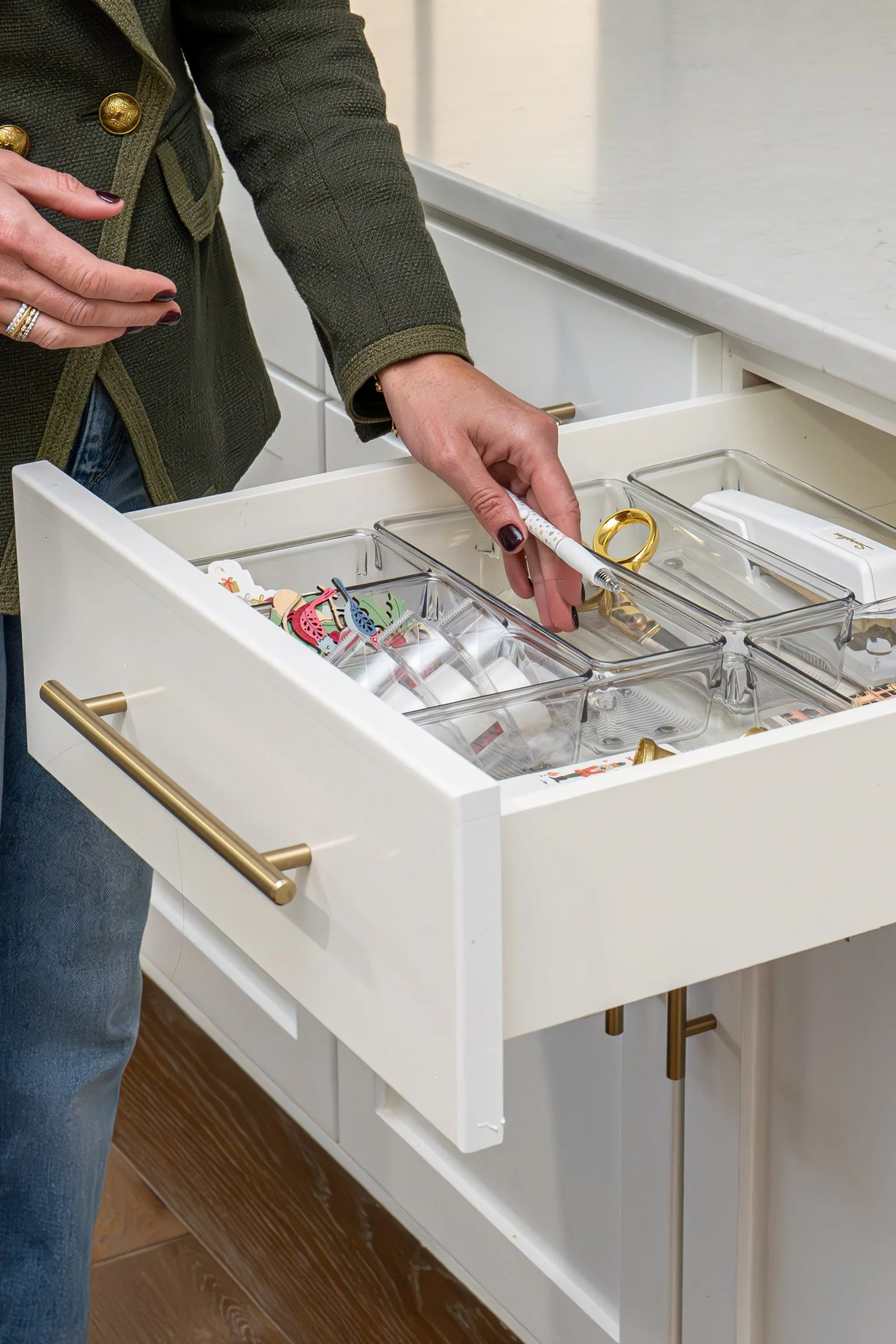
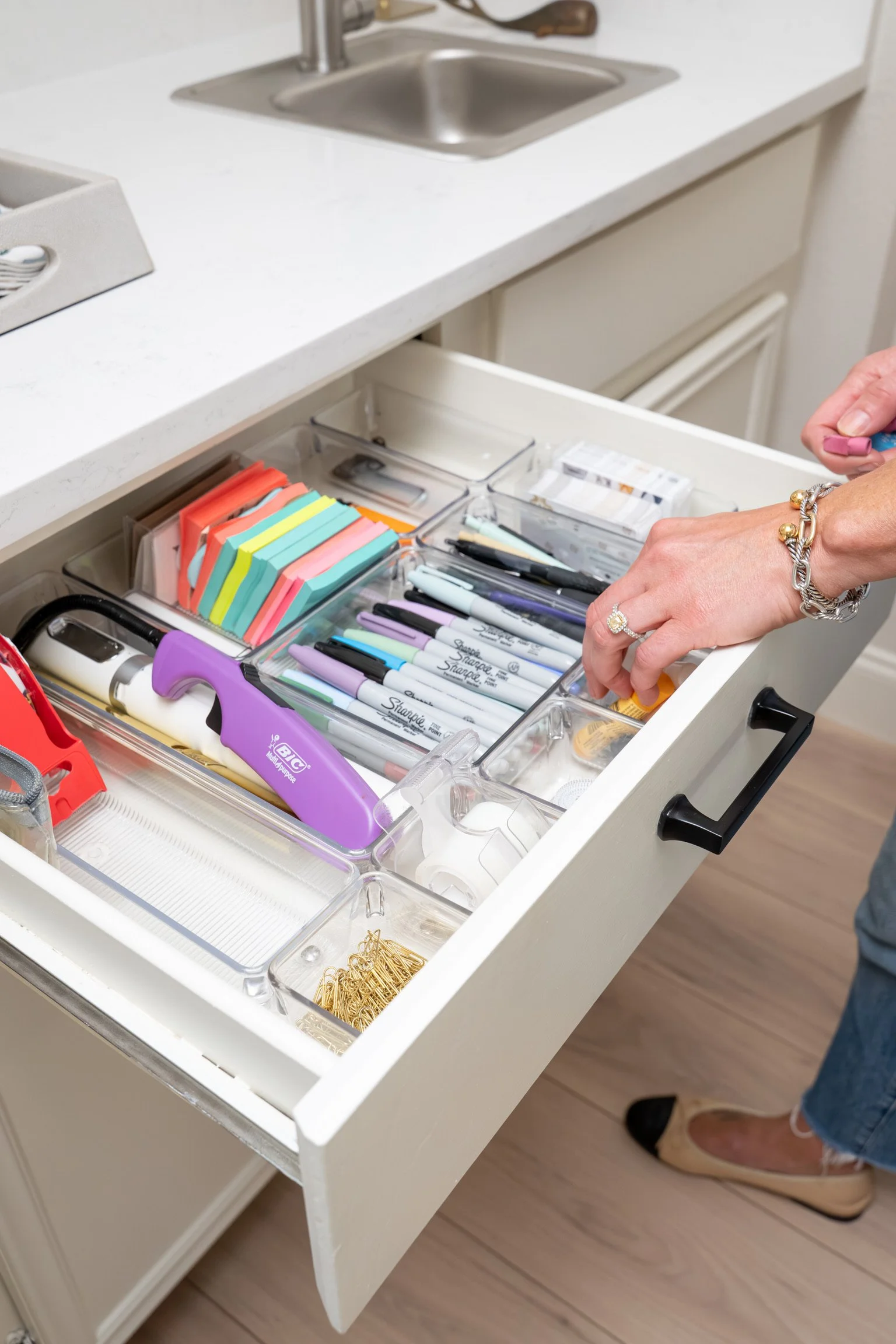
8. Mismatched Drawer Organizers
What’s out: Random organizers that slide, gap, or don’t align.
Visual chaos leads to mental fatigue — even inside drawers.
What to do instead: Use modular systems designed to fit your drawer dimensions.
Aligned organizers create visual calm and make it easier to reset spaces quickly.
9. One Person Doing All the Organizing
What’s out: The “mom does everything” model.
When one person owns all the systems, the rest of the household disengages.
What to do instead: Build shared responsibility.
Organizing should empower everyone in the home. Systems should be simple enough for all family members to understand and maintain.
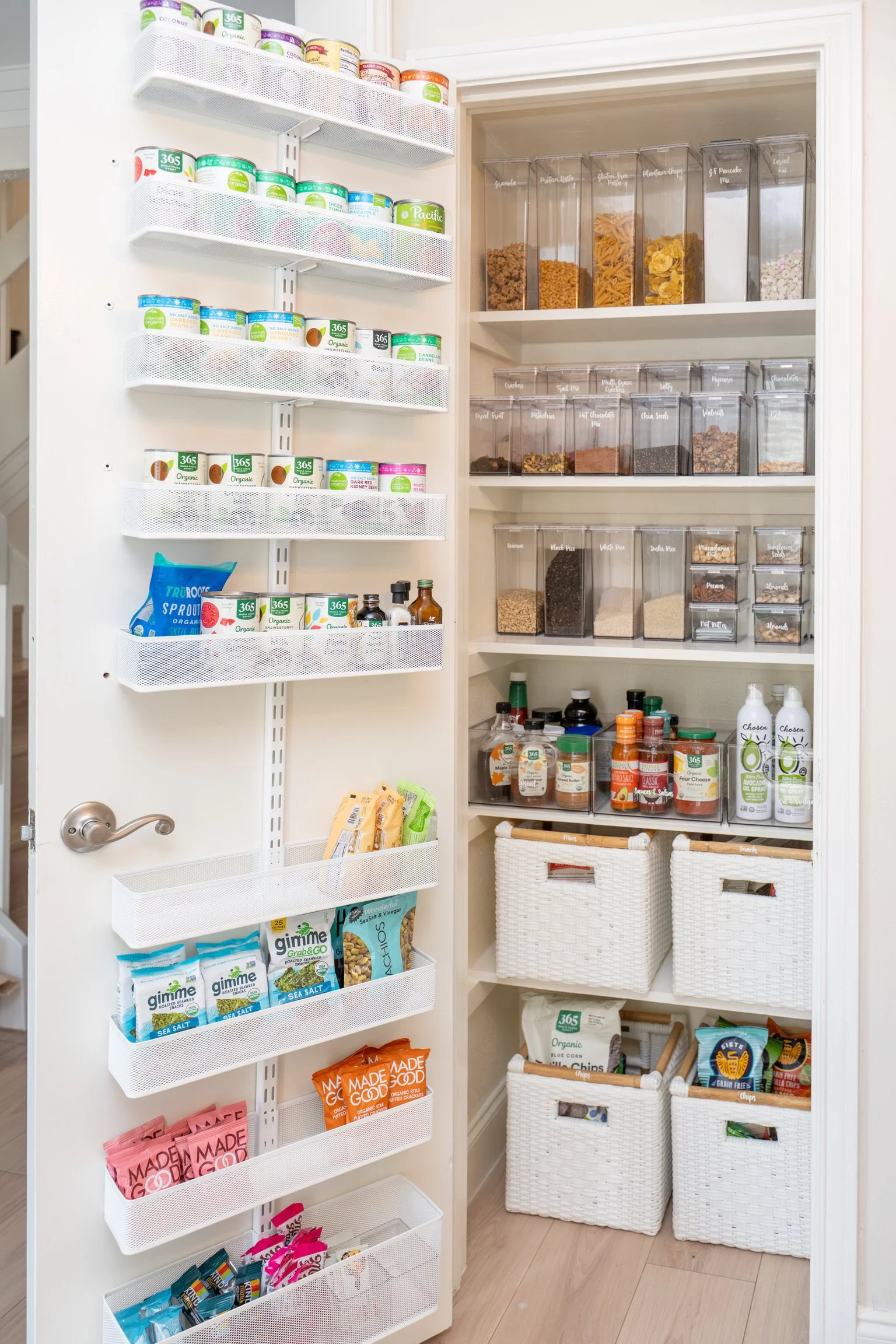
10. Skipping Labels (or Treating Them as an Afterthought)
What’s out: Quick-fix organizing projects that skip labeling or rely on temporary, generic solutions.
When spaces aren’t clearly labeled, systems depend on memory instead of clarity. Over time, that leads to confusion, misplacement, and slow breakdown — especially in shared spaces.
What to do instead: Invest in labeling as part of the system, not the finishing touch.
We consistently find that taking the time to create custom vinyl labels is one of the most impactful choices we make in an organizing project. Clear, specific labels remove guesswork, reinforce habits, and make it easier for everyone in the home to maintain the system.
Thoughtful labeling supports longevity. It considers real-life use, shared responsibility, and future growth — not just how a space looks on reveal day.
Final Thought
Good organizing isn’t trendy — it’s thoughtful.
The best systems feel intuitive, realistic, and supportive. When you design your home around how you actually live, organization stops feeling like work and starts feeling like relief.
If you’re unsure where to start, begin with one space and ask a simple question:
Does this system make my life easier — or harder?
That answer will always guide you well.
Want Support Creating Sustainable Systems?
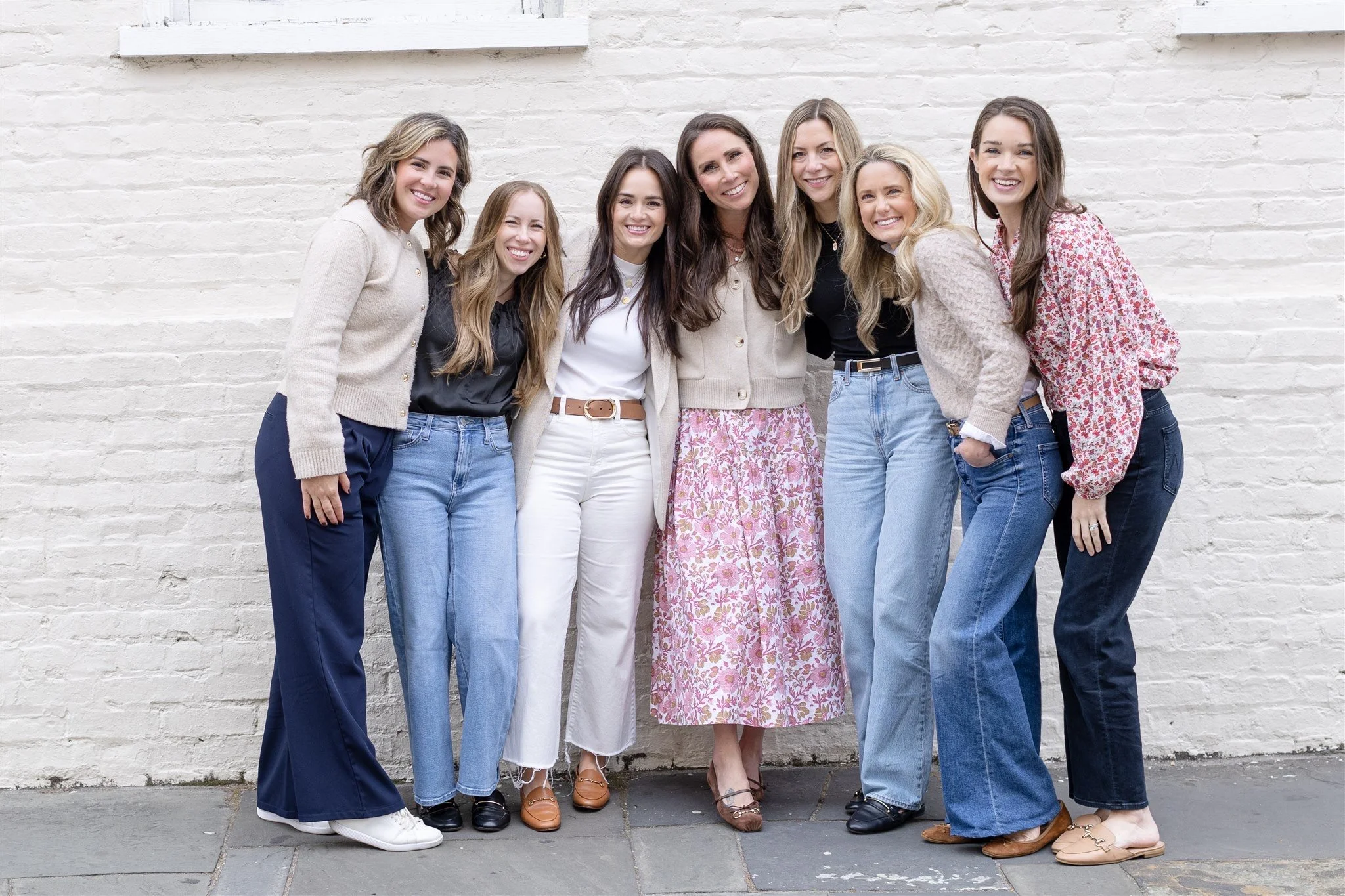
You don’t have to figure this out alone. Sometimes the biggest difference comes from having experienced eyes help you troubleshoot, refine, and make confident decisions.
At Graceful Spaces, our virtual services offer real advice from professional organizers who understand how to balance beauty, function, and sustainability.
Curated Product Plan – Want guidance on creating functional spaces that are also beautiful? We’ll help you choose the right organizing products for your specific space and needs so your systems actually last.
Virtual Guidance Session – Want to talk 1:1 with a professional organizer? These sessions are perfect if you need help approaching a project, troubleshooting a problem area, or creating sustainable solutions that work for your whole household.
Thoughtful support + the right plan can change everything. Explore our virtual services and take the guesswork out of organizing.
xo,
Christina
P.S. I’ll include a few affiliate links for the items I use and love — but I hope that the real inspiration comes from the activity itself: showing up with intention, embracing beauty in the everyday, and weaving joy into even the simplest routines.