What a Puppy Taught Me About Time, Productivity, and Letting Go

A Constraint I Didn’t Choose—But Needed
If you’ve been around here for a while, you know I’m intentional about how I structure my days. I’ve shared openly about how I plan my schedule, why I believe in working within clear rhythms, and how my morning routine sets the tone for everything that follows.
I don’t stumble into my days—I design them.
Or at least, I thought I did.
Enter: Brie.
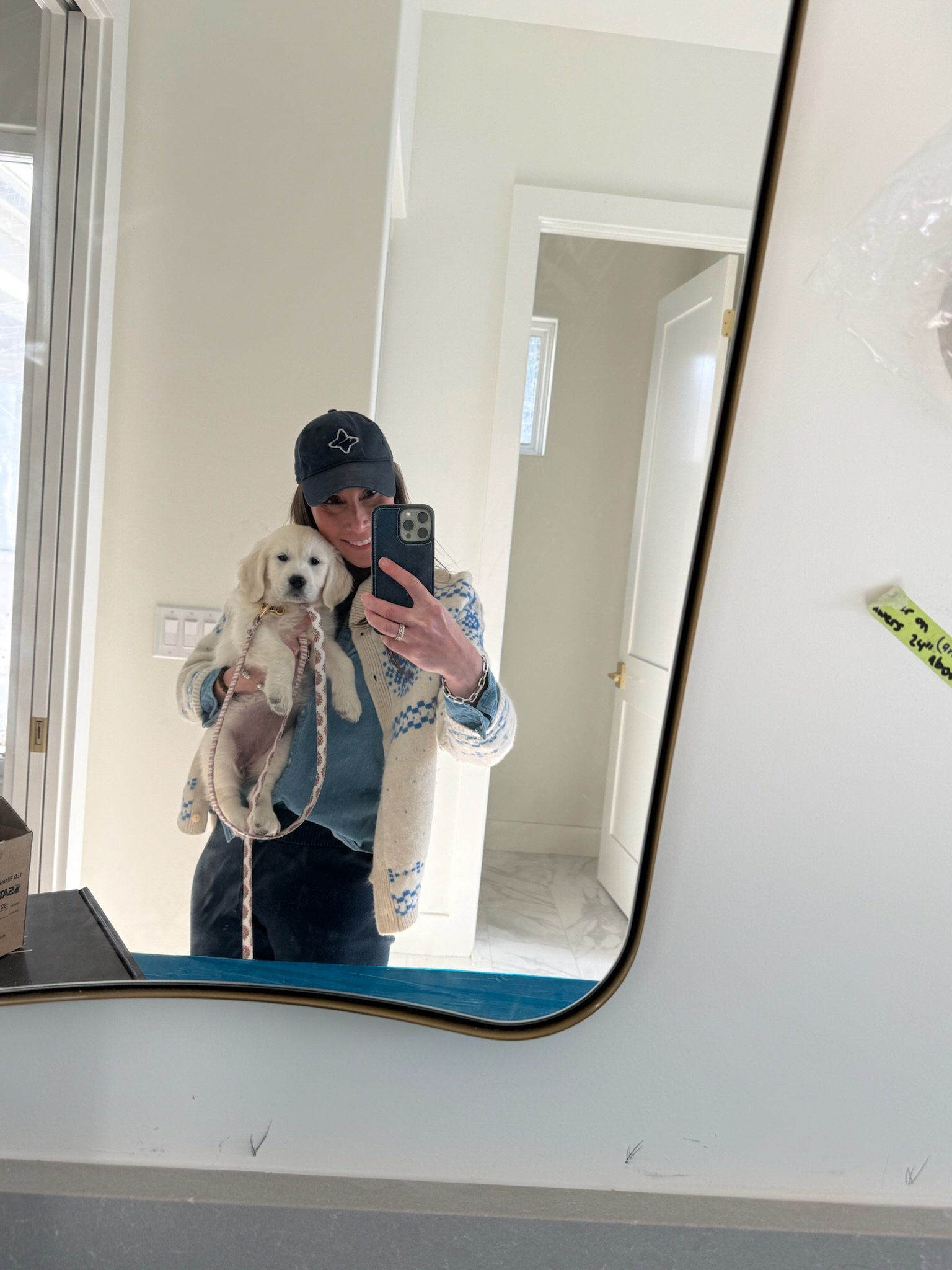
Brie—a sweet little English Golden Retriever—officially joined our crew, much to the curiosity (and occasional confusion) of our four-year-old dog, Queso, and our one-year-old cat, Mr. Cheddars. (Yes, we are fully committed to the cheese theme.)
And let me say this clearly, publicly, and with humility: to every friend who told me getting a puppy is like having a newborn—I owe you an apology. You were right.
The night wakings.
The constant supervision.
The low-grade fear about what might end up in their mouth at any given moment.
It’s all real.
Thankfully, the stakes are lower than a human baby, and the milestones move faster—but the disruption is still very real. It’s been joyful, funny, exhausting… and unexpectedly clarifying.
Because bringing home a puppy forced me to take a very honest look at how I actually spend my time—not how I plan to spend it, not how I think I spend it, but how my days truly unfold.
Lesson One: A Reality Check I Didn’t Ask For (But Needed)

Brie didn’t add a habit to my life.
Life handed me one.
Potty time at 5:30 a.m. is not glamorous. There’s nothing aspirational about standing outside half-awake, bundled up, silently negotiating with a puppy who seems far more interested in exploring than accomplishing the task at hand.
But something unexpected happened.
As I practiced patience—waiting, watching, letting her explore instead of rushing her—I started looking up. Noticing the quiet. The stillness. The way the world exists before schedules, notifications, and expectations kick in.
Then, at 6:30—because yes, puppies go out a lot—I started catching the sunrise.
All the things we’re told to prioritize—slow mornings, fresh air, grounding moments—I suddenly had to do. Not because they were on my wellness checklist, but because a small, living being depended on it.
And it turns out… they work.
My mornings are now slower and more present—not because I optimized them further or perfected my routine, but because I was constrained.
That was my first real reality check: my intentions were good, but my life needed a structure that actually made space for them.
I didn’t need better intentions—I needed a constraint that quietly forced my life to make room for what mattered.
Lesson Two: Slowing Down Required a Team, Not Superpowers
For years, I would have told you a slower morning just wasn’t possible.
There were dishes to unload. Kids to get ready. Workouts to squeeze in. All the things that had to happen before the day could officially begin.
And yet, there I was—standing outside, waiting for a dog to potty.
Now, I can already hear what some of you are thinking: Sure, that sounds lovely—but real life still has to get done. We can’t all just stare at the sky all morning. (Fair.)
That’s where the real work began.
As a family, we had to sit down and talk honestly about the constraints and the needs. What truly had to get done? What mattered most in this season? What could shift?
We made a game plan—and while it’s far from perfect, we found solutions that didn’t put everything on one person’s shoulders.
Nora was already set up to easily take on part of the routine.
Graeme wanted to be more involved and loved the idea of training time with the dog.
Addie had some unexpected margin and stepped in without it feeling like a burden.
Some things simply dropped—and that was okay, because it was intentional.
Our mornings still aren’t perfect. But the opportunity to work as a team and reset our intentions together? That was a gift.
Slowing down wasn’t about doing more myself; it was about letting the people around me carry the morning with me.
Lesson Three: Not Everything Is Urgent (Even When It Feels Like It Is)
I didn’t realize how often I jumped in the car to solve a tiny inconvenience.
One ingredient.
One errand.
One “quick” stop.
Now, every outing requires planning: timing, leash, potty breaks, and a built-in 45–60 minute commitment.
That friction has been clarifying.
I now pause and ask myself:
Do I actually need this right now? Or am I reacting to discomfort, impatience, or convenience?
The puppy didn’t limit my life—it refined my choices and forced me to get more creative in how I solve needs.
Most things can wait. Many things can be grouped. Some things don’t need to happen at all.
Lesson Four: Structure Didn’t Restrict Me. It Supported Me.
I still believe deeply in structure. Goals matter. Plans matter. Schedules matter.
But being on a puppy schedule reminded me of something we often forget as adults: we function better when our days are balanced, not jammed.
Our trainer gave us a puppy schedule that initially felt intense.
Nap times were non-negotiable.
Wake windows were intentional.
Overstimulation was avoided.
And it quickly became obvious: when Brie slept well during the day, everything worked better—nights included.
Without trying to, I started planning my work the same way:
Focused blocks
Clear start and stop points
Fewer, more realistic priorities
Built-in rest
Just like puppies (and babies), adults thrive with rhythm. Our minds work more clearly when we stop cramming and start respecting capacity.
We all benefit from more margin than we think.
Lesson Five: Buffer Time Is Not Optional

I used to schedule lunch breaks and walk breaks.
But the truth?
I skipped lunch.
I stacked meetings.
I promised myself I’d step away later.
With a puppy, buffer time isn’t optional.
Walks, training, play, and resets must exist—or the whole system unravels.
So instead of endless task lists, I now choose one or two meaningful priorities per block of time. It’s uncomfortable to not feel productive every minute—but the trade-off has been worth it.
More mental rest.
More movement.
More presence.
Lesson Six: Slower Doesn’t Mean Less Effective
I tried a few days of “nap on the go.”
It didn’t work.
Back-to-back appointments drained us both. Spacing out my schedule—something that once felt inefficient—has given me room to think, reflect, and show up more thoughtfully.
Constant motion isn’t the same as meaningful progress.
Lesson Seven: I’m Putting My Time Where It Actually Matters
I love a clean house and a completed checklist.
But puppies—like babies—don’t care about productivity.
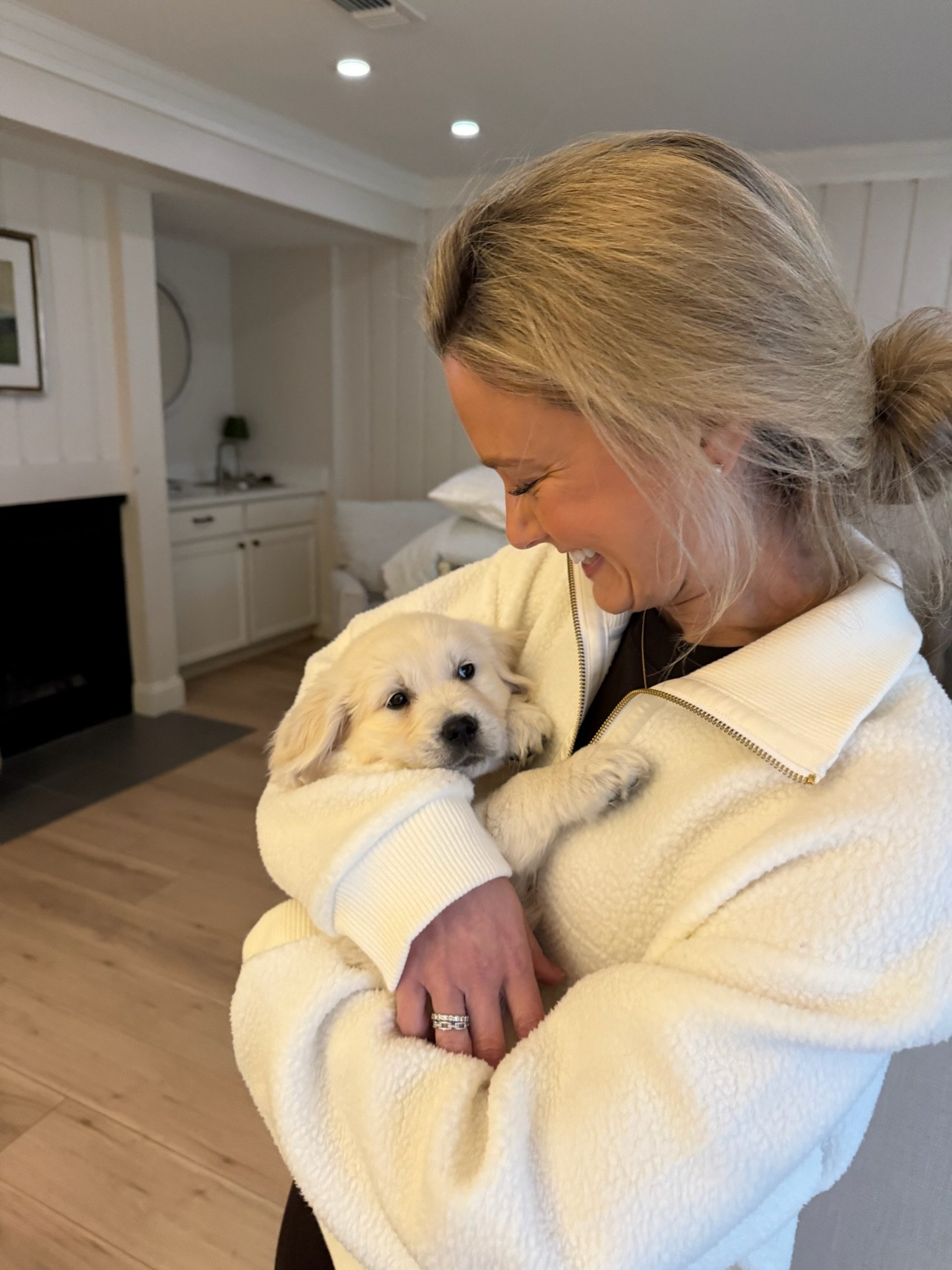
When Brie needs to go outside, train, or play, the dishes wait. And that has been a firm but gentle reminder to step out of constant doing mode.
I’ve started doing the same when the girls get home—leaving projects unfinished, pausing mid-task, choosing connection.
The mess will still be there.
The moment won’t.
The Bigger Lesson: Beautiful Constraints
This season has brought me back to the idea of Beautiful Constraints—the reminder that limitations don’t stifle growth; they sharpen it.
Constraints force us to evaluate what matters.
They reveal misaligned priorities.
They help us see life differently than we would without them.
Brie didn’t derail my systems.
She refined them.
She exposed where urgency was inflated, where time leaked, and where I needed honesty—not more optimization.
A Reality Check (and an Invitation)
Let me be clear: I’m not advocating that everyone get a dog.
What I am advocating for is accountability and intentionality.
We all need something that shows us the truth about how we’re living.
If you want a starting point:
Keep a simple log of your week—where your time actually goes
Have a trusted friend review it with you
Get a walking or workday accountability buddy
Create standing check-ins
Build non-negotiable rhythms
This is exactly why we approach goal setting the way we do at GS.
Our goals aren’t about passing or failing. They’re a compass—a steady reference point that helps us course-correct as life shifts. We measure progress, not perfection. Direction, not comparison. The goal is to arrive at the destination we believe would be the most meaningful and impactful—not to rush, cram, or burn out along the way.
And sometimes? We discover the course we’re on needs a redirect.
That philosophy is also what makes Graceful Spaces such a unique place. We get to serve our clients and our community while growing together—lifelong learners striving for intentional balance, grounded priorities, and joy in the midst of everyday life.
Sometimes the best teachers don’t come in the form of planners or productivity books.
Sometimes they come with four legs, a leash, and a 5:30 a.m. wake-up call.
And honestly?
I’m grateful.
Want to Live With More Intention?
If you’re craving more clarity, alignment, and purpose in how you spend your time, we’d love to help. At Graceful Spaces, we work with individuals and teams to design goals, rhythms, and systems that support real life—not perfection.
And if you’re looking for a workplace where growth, balance, and meaningful work matter—we’re always excited to meet people who want to grow with us. You can learn more on our careers page.
Life is a gift. It doesn’t always go as planned—but it can be lived intentionally… and laughed at when it doesn’t.
xo,
Christina
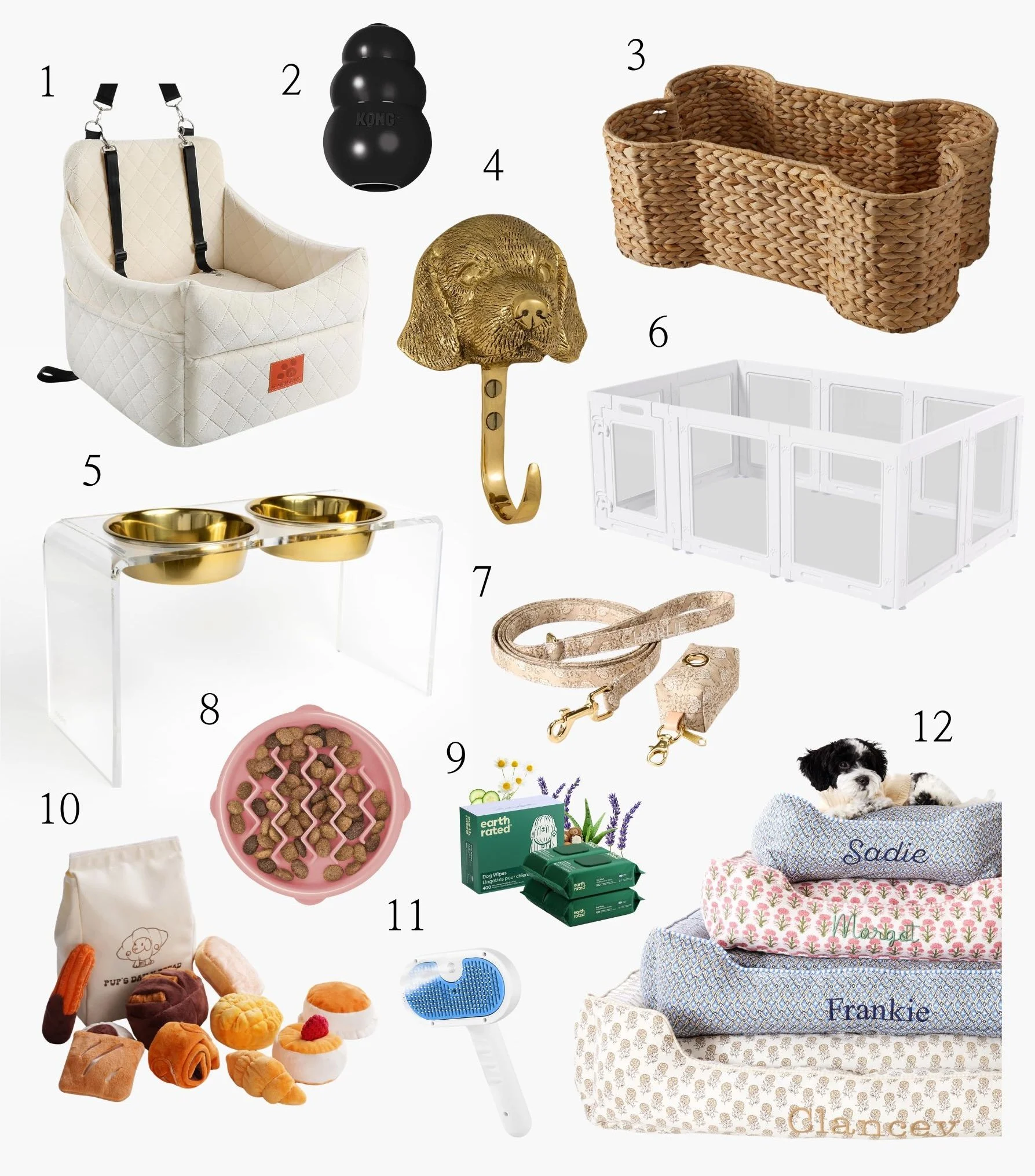
P.S. I’ll include a few affiliate links for the items I use and love — but I hope that the real inspiration comes from the activity itself: showing up with intention, embracing beauty in the everyday, and weaving joy into even the simplest routines.